

Insights & Intelligence.
The manual for modern digital acceleration. Exploring the intersection of high-fidelity engineering and synthetic intelligence.

GPT-6 Astra reads websites like an agent, not a search engine
GPT-6 Astra operates browsers like a person: clicks, forms, multi-tab, OSWorld 2.0 at 72.6%. What it means for AI citations, plus 5 checks for this week.
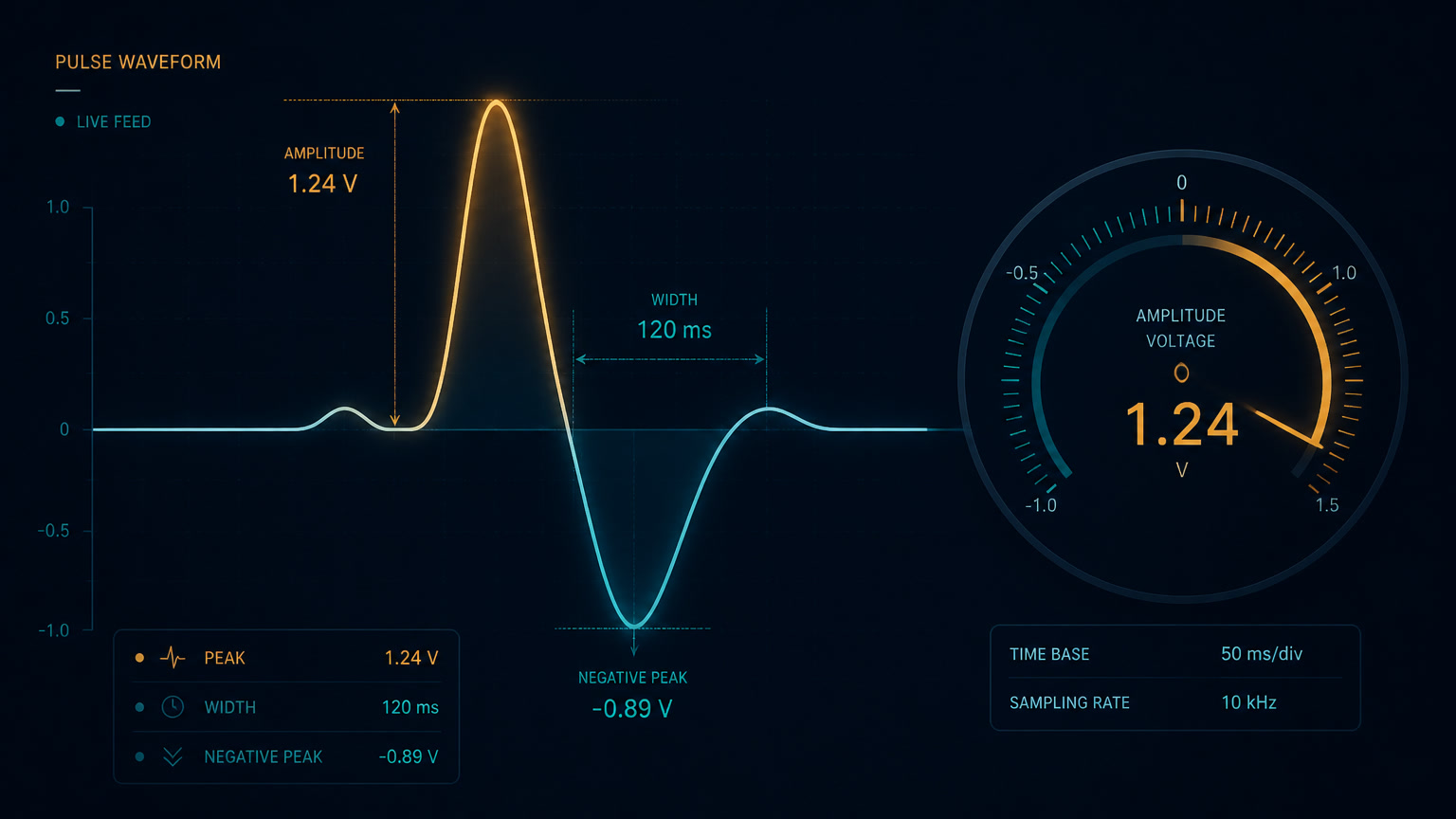
Chrome 153 Opens the Web Worker Black Box: LoAF Comes to Off-Main-Thread Media Pipelines
Chrome 153 (stable September 8, 2026) extends the Long Animation Frames API to Web Workers — long tasks that block a worker's event loop are now measurable from inside the worker, with per-script attribution. How to instrument WebCodecs video pipelines, the real case of Mintec's medical video portal, and when the worker — not the main thread — is your actual bottleneck.
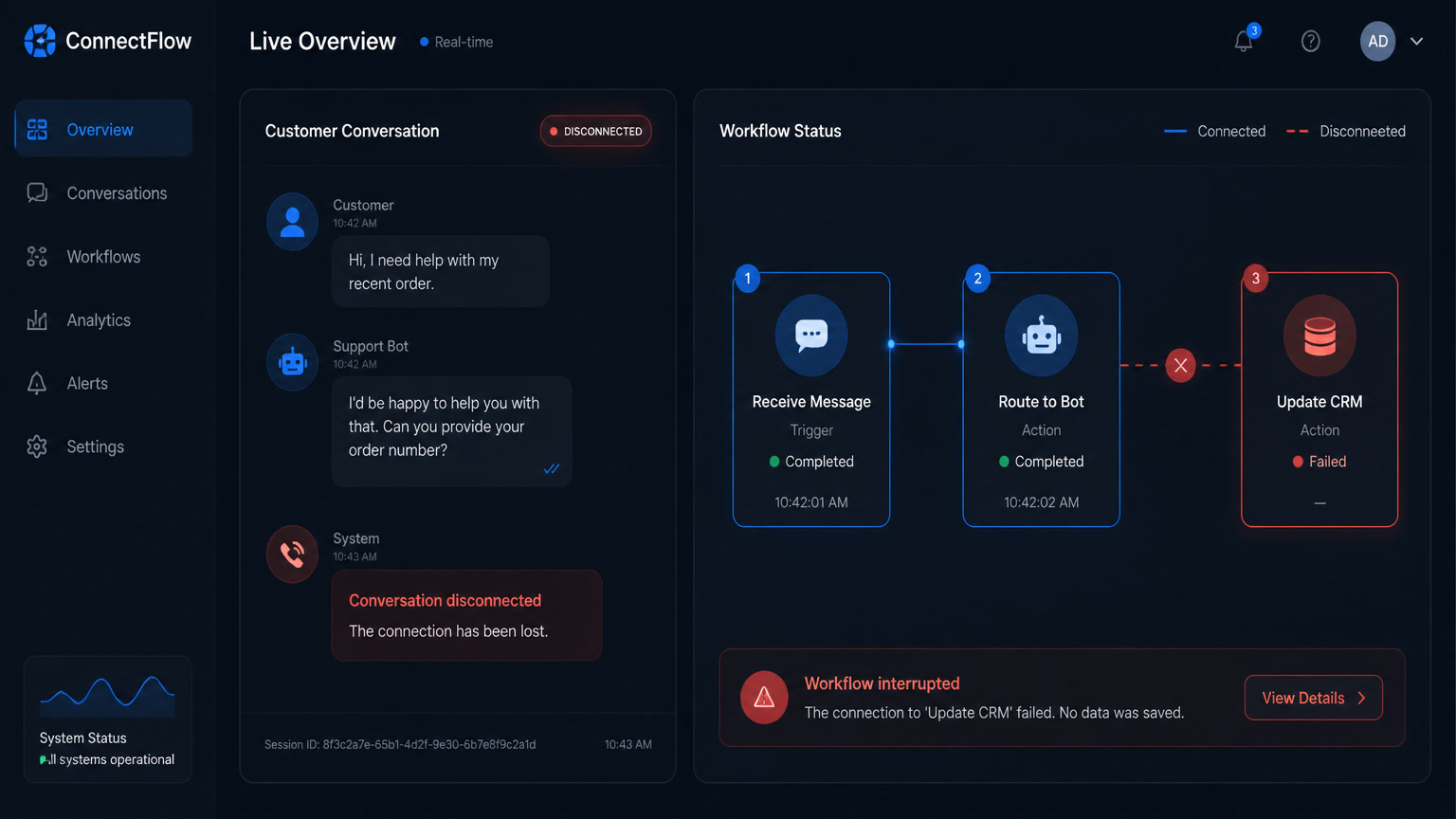
74% of Customer-Facing AI Agents Get Rolled Back: Why Yours Doesn't Have to Be One of Them
Sinch: 74% of enterprises rolled back a live AI customer agent; in LatAm it's 82%, with 41% of failures caused by personal data exposure. The rollback triggers and the survival checklist that keeps agents live.
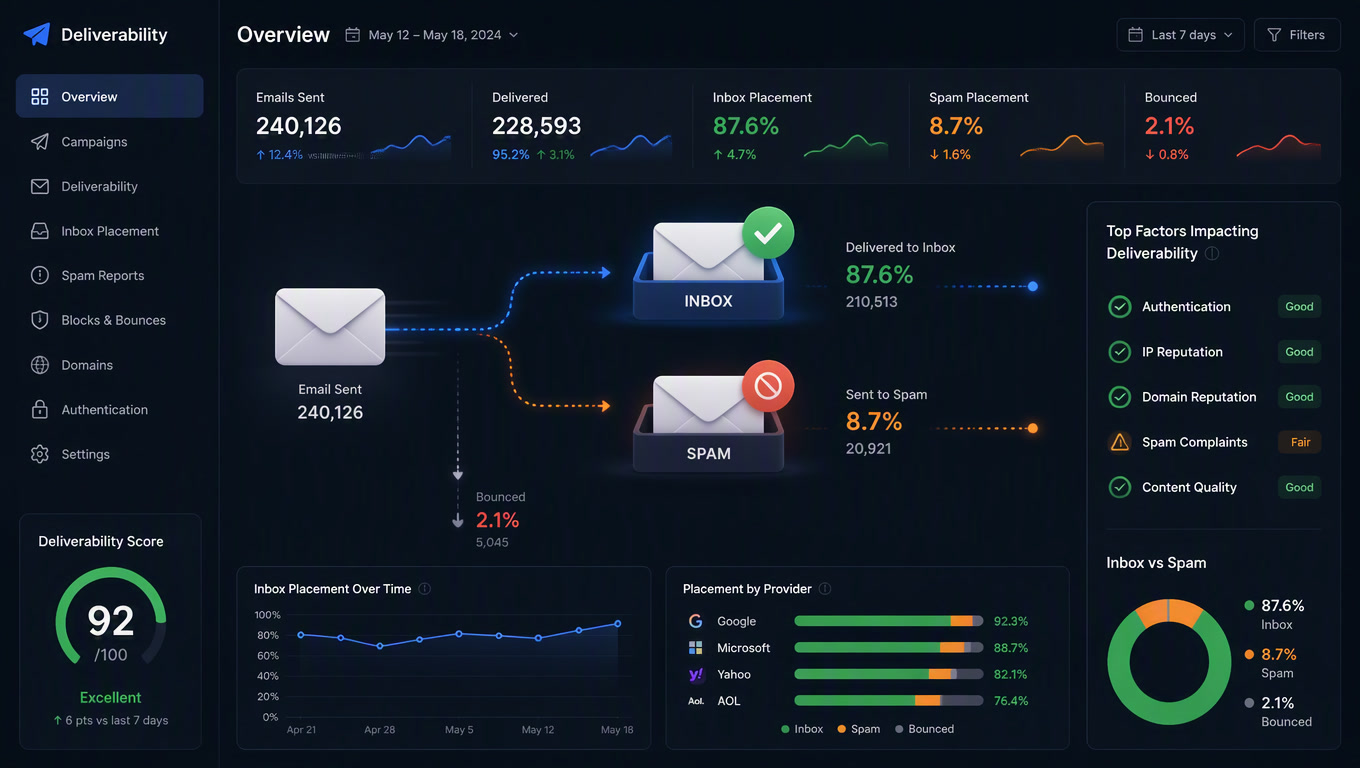
Your Automated Emails Are Going to Spam: The Deliverability Layer Nobody Configures
Global email deliverability averages 83% — one in six automated emails never lands in the inbox. SPF, DKIM, DMARC, sender reputation and list hygiene are the layer nobody configures. The 4-layer stack, LatAm traps, and a pre-flight checklist.

A Day Without Citations: The Gemini 3.8 Flash AI Mode Bug and What It Proves About GEO
Gemini 3.8 Flash stopped citing sources in AI Mode for almost a day. Timeline, Google's fix, and how to detect a citation outage in your own data.

TikTok Just Banned the Countdown Funnel — Here's the Funnel That Passes Review in Q4
TikTok's mid-funnel compliance regime changed between July and August 2026: landing pages with countdown timers, redirect chains longer than two hops, freshly registered domains, and first-person advertorials are being rejected or held, and CPAs jumped 30-60% in lead-gen verticals within a single billing cycle. The funnel that scales now is different: two hops max with clean server-side tracking, aged domains with pixel history, brand-voice copy backed by verifiable social proof, and creative rotation every 72 hours. This is the compliance-safe Q4 playbook.
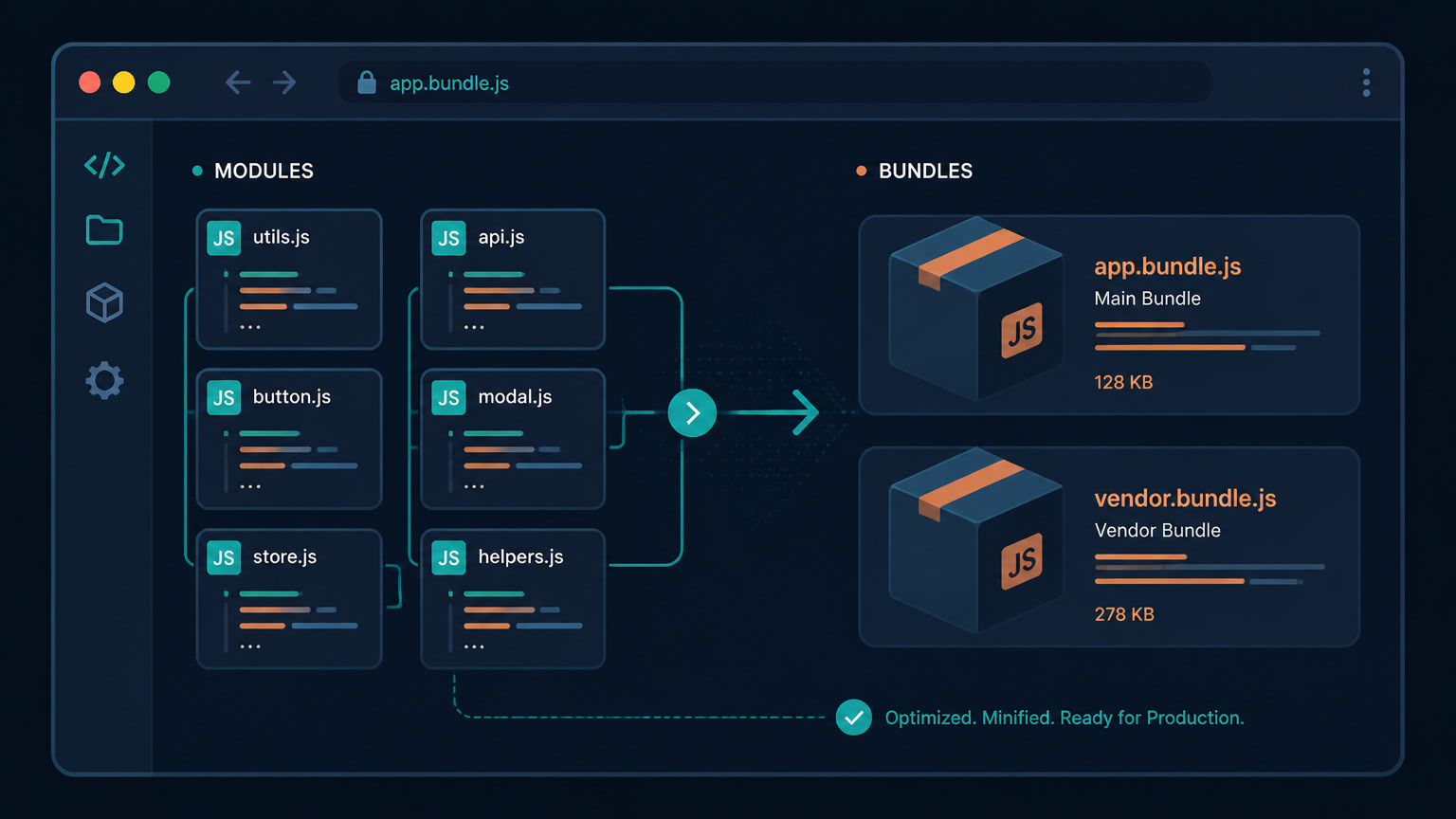
Turbopack chunking in Next.js 16.3: tuning the tradeoff between first load and navigation
Next.js 16.3 ships the first controls for how Turbopack splits your JavaScript: firstPageLoadPriority, priorityRoutes, clusters and generateComponentChunks. Here's how chunking works, the real benchmark numbers, and a decision framework for when to change the defaults.
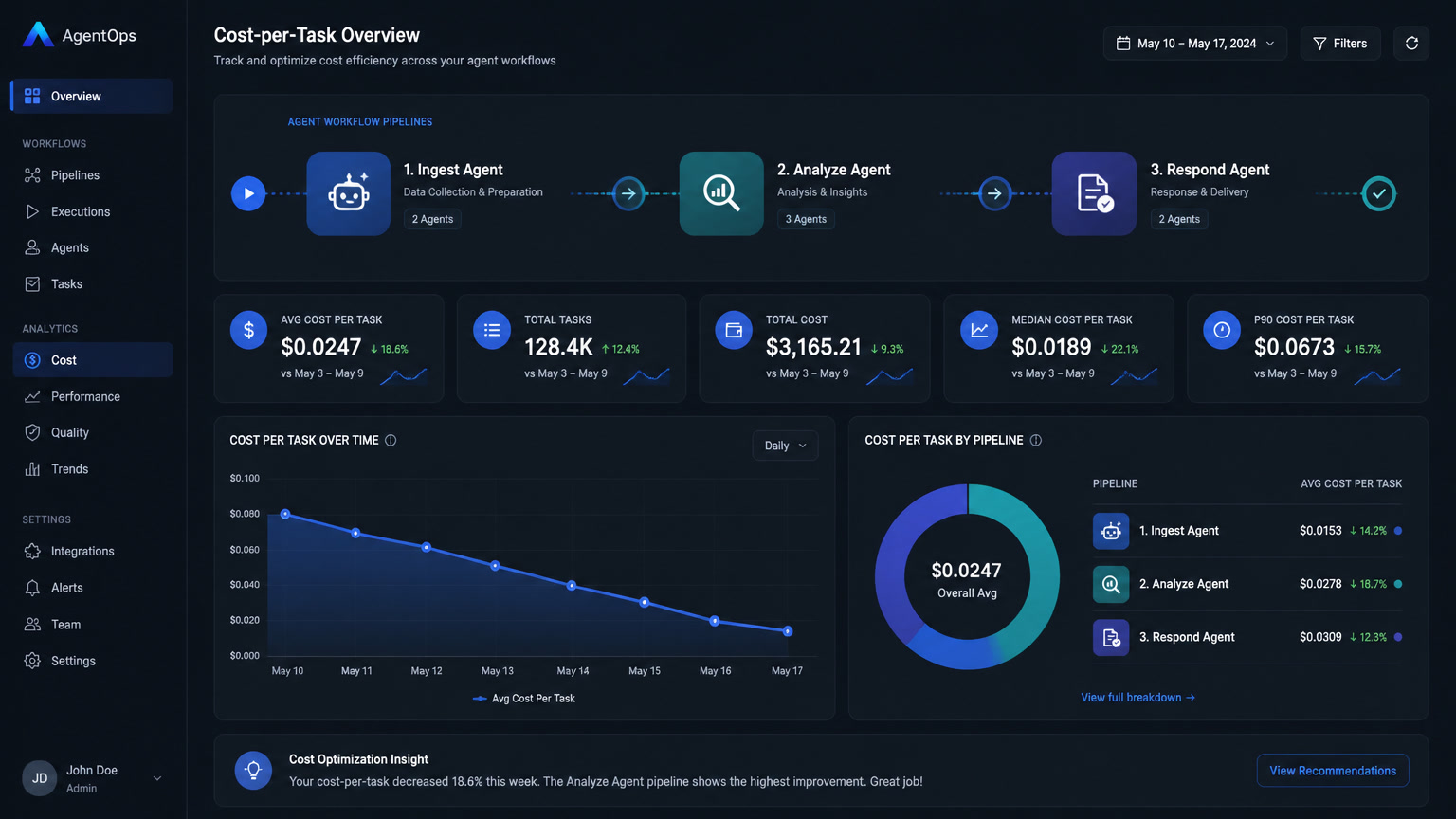
What an AI Agent Really Costs per Task: The Equation Almost Nobody Calculates
AI agents are cheap per token and expensive per task — context snowballs multiply the bill. The cost-per-task equation and 6 levers to keep agents affordable.

Malvertising on Meta & TikTok: the StreamRat case and a 3-layer ad safety protocol
A fake free-TV-streaming campaign bought ads on Meta and TikTok in mid-2026 and pushed the StreamRat Android trojan to an estimated 570,950 European accounts, mostly Spanish-speaking users. The campaign ran three weeks inside the ad auction before takedown — and it proves malvertising is now a paid-media operations problem that every advertiser needs a pre-launch, mid-flight, and incident-response protocol for before Q4 spend ramps.

AI Mode Follow-Ups Are Hiding in Your Search Console. Here's How to Read Them
AI Mode follow-ups like 'yes, pricing' appear in Search Console's main report; the generative AI reports hide query data. Here's how to read it.
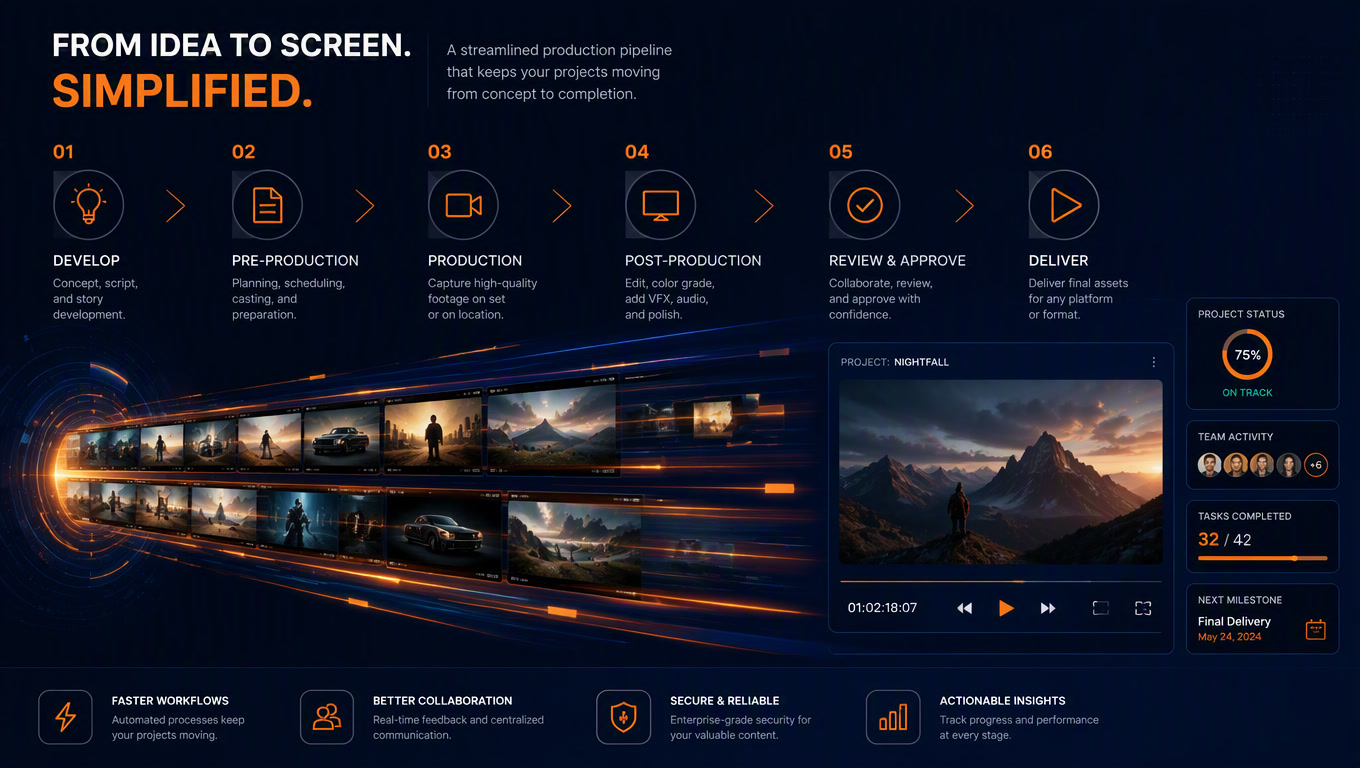
AI video is now generated faster than it plays: what actually changes in your pipeline
Between September 1-2, 2026, three launches crossed the real-time line in AI video: fal H3 Max, FastH3 + vLLM-Omni, and the open-source VDN-H3 model. Here's what genuinely changes in production, what doesn't, and how to build a latency budget.

Agents Will Publish to Your CMS Whether You're Ready or Not: The Guardrail Architecture We Run in Production
Salesforce closed its Contentful acquisition on September 1, 2026, making the flagship headless CMS a native content layer for Agentforce — agents that deliver content 'without manual publishing steps.' Here is the four-layer guardrail architecture we run in production for agent-assisted publishing on Astro: scoped identity, dedup gates, schema validation with diff, and post-publish verification with rollback.