
Meta's Creator Marketing Hub forces a decision: creator content, in-house, or AI-generated
Meta launched its Creator Marketing Hub and is expanding live video ads to Instagram. Here's the three-tier framework we use to decide when to deploy each content type.
Meta just changed the rules for ad creative — and your brand needs a framework to adapt
Meta launched its Creator Marketing Hub on September 16 and is expanding live video ads to Instagram starting September 29. This isn't just a platform update. It's a signal that the direction of ad creative is shifting decisively toward creator content.
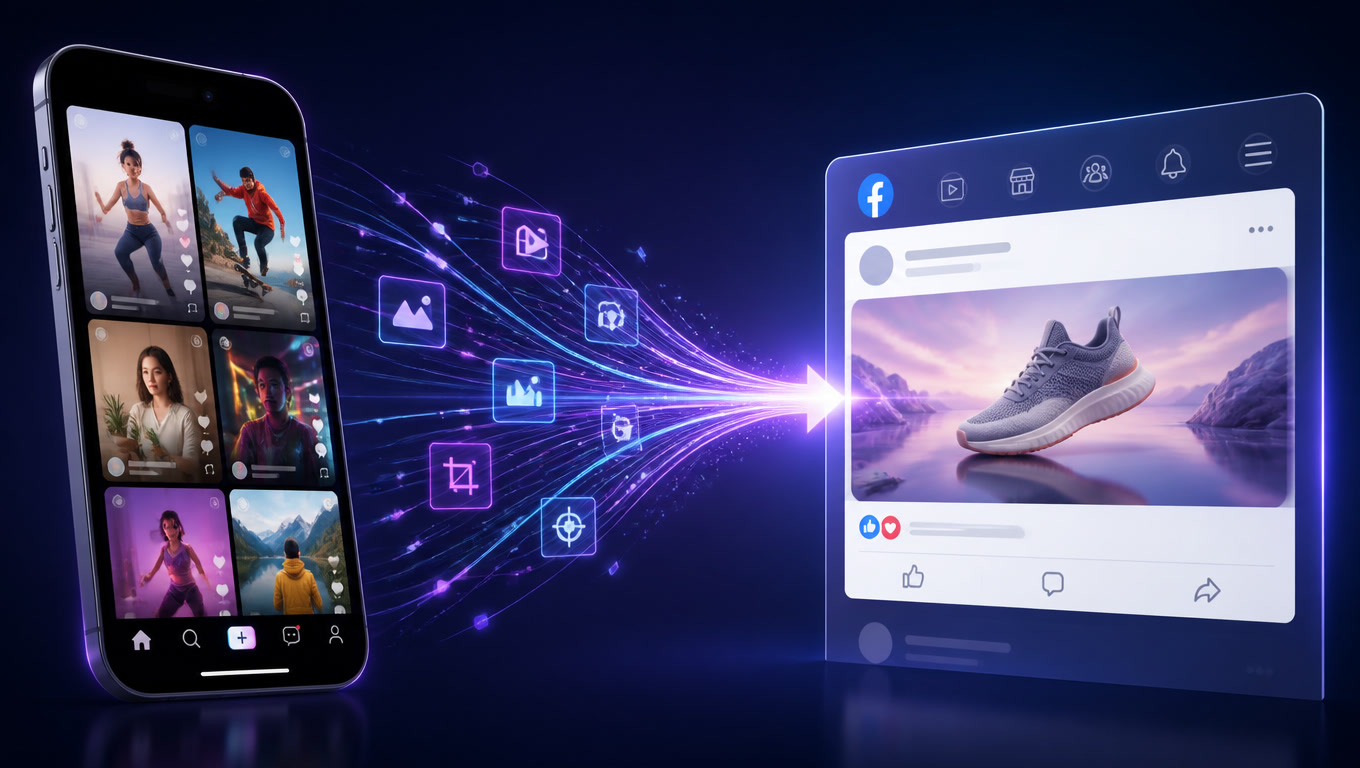
What we see managing campaigns for clients is clear: UGC and creator content consistently outperforms in-house production on cold metrics. And now Meta is building the entire infrastructure to make that transition easier.
What exactly changed
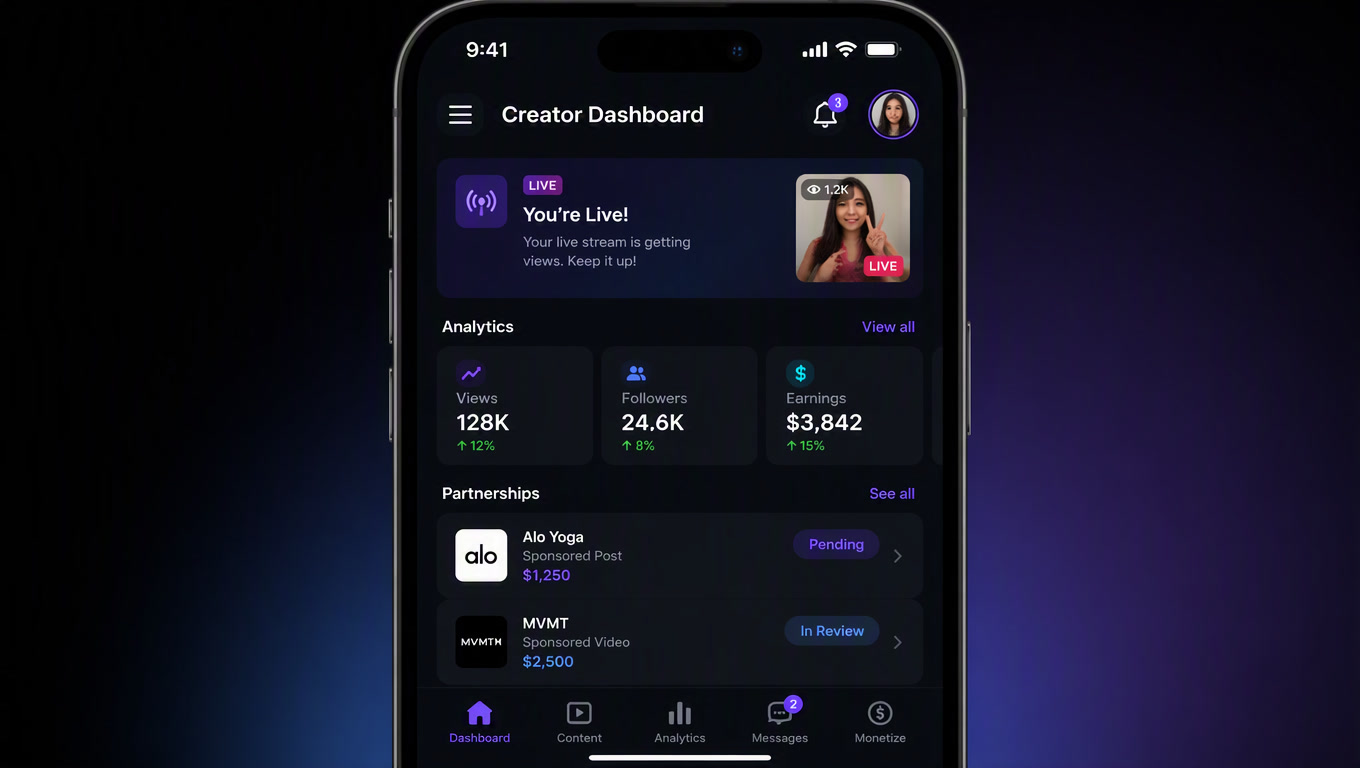
The Creator Marketing Hub merges two surfaces that used to be separate: Creator Marketplace (discovery) and Partnerships Ads (activation). An advertiser can now discover creators, find content related to their brand, activate it as a partnership ad, and manage permissions — all from a single interface.
Key capabilities include:
- Content Discovery API with automated recommendations for high-performing UGC
- Discovery filters to find creator content featuring your specific products
- Content permissions with visible expiration dates
- One-click ad creation from partnership content
- Direct messaging between brands and creators within the Hub
And starting September 29, live video ads expand from Facebook to Instagram. Advertisers will be able to amplify a creator's live content as a partnership ad.
The three-tier framework: creators, in-house, or AI
The question clients ask isn't "should I use creator content?" — that's already clear. The question is: when do I activate each content type and in what proportion?
Our three-tier framework is based on a simple distinction: how "cold" the audience is and how authentic the message needs to be.
Tier 1 — Creator content (TOFU: cold audiences)
When to use it: Prospecting, new audiences, awareness campaigns.
Why it works: Creator content authenticity generates more trust than polished brand content. Users trust a recommendation from someone who looks like them more than a brand-produced ad.
What Meta says: In its 2026 Holiday Insights Center, Meta confirmed purchase intent rises when consumers are exposed to a mix of formats — not repeated exposure to the same one. Creator content is the format that performs best in that mix for cold audiences.
What we do: when managing prospecting campaigns, 60-70% of TOFU budget goes to creator content or UGC. Top-performing formats: on-camera reviews, unboxings, before-and-after with the product in real use.
Tier 2 — In-house production (MOFU: engaged audiences)
When to use it: Retargeting audiences who already interacted, consideration campaigns.
Why it works: When someone already knows your brand, they need a level of production that reinforces quality perception. Polished brand content has its place here — but not as primary content, as reinforcement.
What we do: we use in-house production for retargeting carousels, editorial-format testimonials, and brand-positioning content. It doesn't replace creator content — it complements it.
Tier 3 — AI-generated (BOFU: advanced retargeting)
When to use it: Scaling winning hooks and angles from creator content.
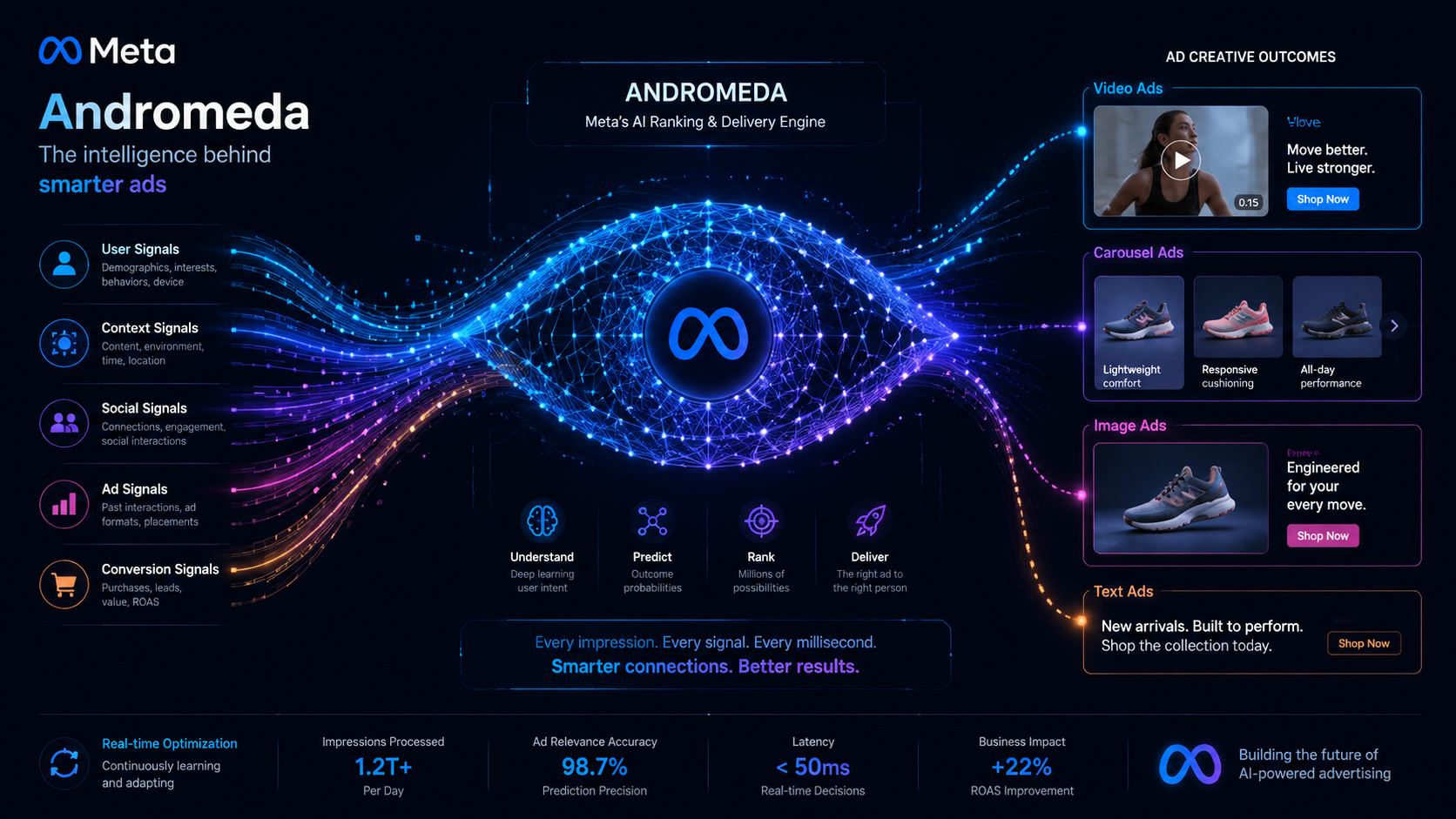
Why it works: When a creator produces a video that converts, AI can generate variants of the same hook with different openings, durations, or formats. You reduce production cost and accelerate testing.
What we do: we identify the top 3-5 hooks from creator content and use AI tools to generate variants. It's particularly effective for cart abandonment retargeting and flash offers.
The Hub changes the operational equation
Before the Hub, activating creator content at scale was manual: discover in the Marketplace, negotiate via DM, receive the content, edit it, upload it as an ad. Now the entire workflow is centralized.
For agencies, this means the barrier to entry for using creator content at scale dropped significantly. You no longer need a dedicated influencer marketing team to activate 10 creators in a campaign.
But it also means competition for top creators intensifies. If your brand isn't in the Hub looking for content activators now, your competitors are.
Live video as an ad format: the opportunity nobody's taking
The expansion of live video ads to Instagram on September 29 is an early-mover opportunity. Very few brands are experimenting with live content as an ad format.
Formats we're testing with clients include:
- Product launches live amplified as partnership ads
- Live Q&As with creators, promoted to retargeting audiences
- Real-time demos with direct purchase links
It's a format that generates urgency and authenticity — two factors static formats can't replicate.
The production question nobody wants to ask
The real bottleneck isn't strategy — it's production capacity. Meta needs fresh creative every 5-7 days on cold audiences during Q4. If your team can't keep pace with in-house content, creator content and AI aren't options — they're necessities.
The question isn't "should I use creator content?" The question is: how much production capacity does your brand have and where should it focus?
Related articles
- Meta just removed placement exclusions from your ad sets — the other side of Meta's automation push
- How to measure influencer marketing ROI — the framework for justifying creator investment
- The rise of social commerce and creators — why creator commerce is the future of retail
Frequently Asked Questions
What is Meta's Creator Marketing Hub?
It's the unified platform that merges the former Creator Marketplace and Partnerships Ads. It lets advertisers discover creators, activate content as partnership ads, and manage permissions from a single interface.
When are live video ads coming to Instagram?
September 29, 2026. Advertisers will be able to amplify a creator's live stream as a partnership ad directly from the Hub.
When should I use creator content versus in-house or AI-generated content?
Creator content for cold audiences (TOFU), in-house production for mid-funnel retargeting (MOFU), and AI-generated for scaling winning hooks in advanced retargeting (BOFU). Each tier has its function in the funnel.