

Multimedia design: Is the future of the Internet in the hands of graphic designers?
Multimedia design: Is the future of the Internet in the hands of graphic designers?
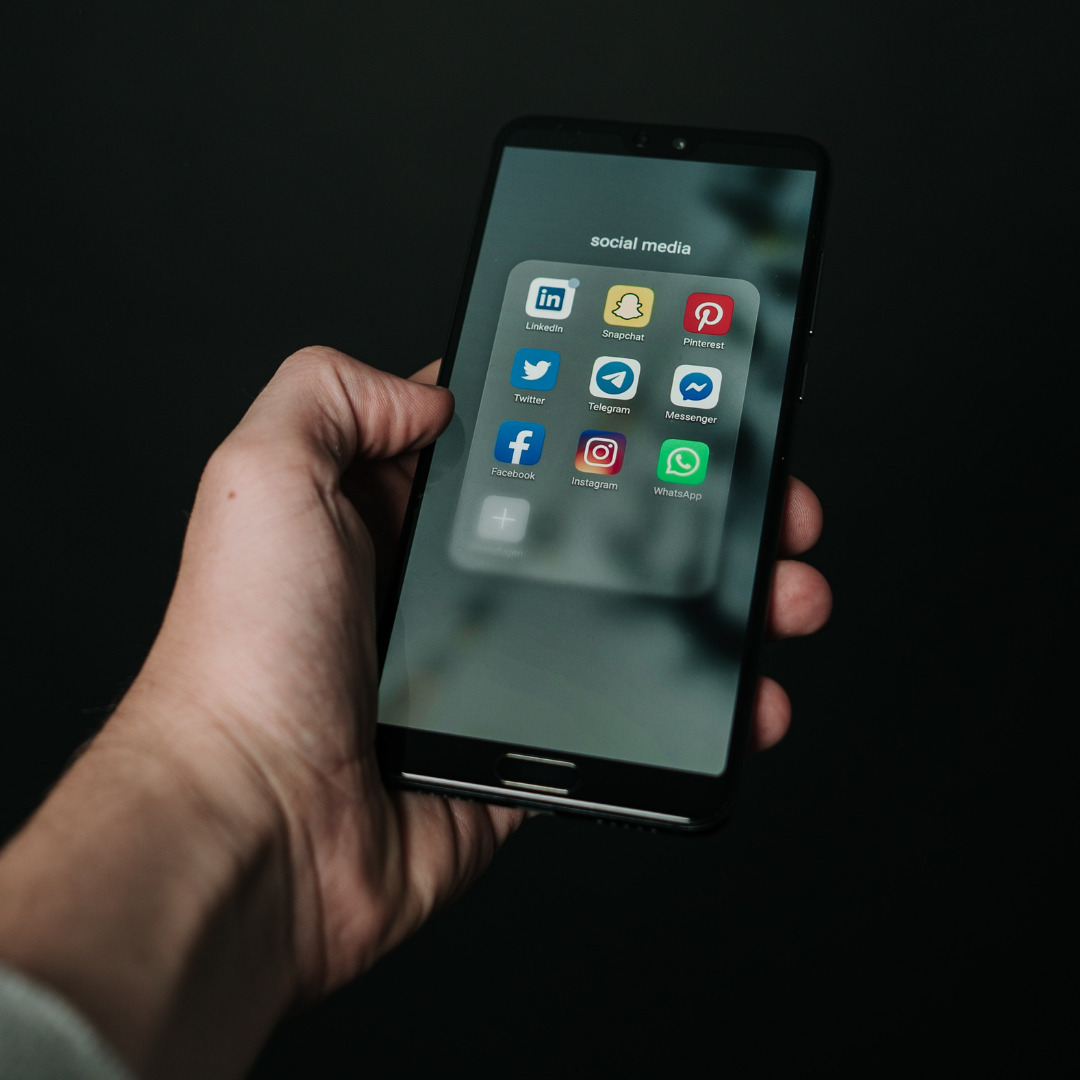
It may be a bit exaggerated to assert that the future of the Internet is EXCLUSIVELY in the hands of graphic designers, but no one doubts that the image is decisive in the interface of a website that aims to succeed on the Internet. Within the analysis of the components that make up a present-day web page, multimedia design is an almost essential component, especially of the main page, or the structure common to the entire site. This is not new now... but it was in the 1990s when the first version of Flash appeared, brought by Macromedia, which was aware that it was only a matter of time before broadband connections reached every home in industrialized countries. They were aware that the web graphic design of the future would necessarily include Flash on web pages, as an essential tool to provide multimedia capabilities to any web page. Nowadays, multimedia design has widely merged with computer technologies to create new audiovisual elements that provide the user with a website that integrates audio, video, text, and image completely. In this scenario, what would be the “next step” in multimedia design? Current technologies point towards the smallest and most daily-used devices, namely mobile phones. Graphic web design oriented towards this type of device must offer users very specific solutions that include:
- An interface suitable for the limited screen size available. This implies not only a professional graphic design that is well thought out in terms of usability and intuitiveness but also optimal ergonomic features, considering the current (and future) touch screens that dominate the trends of current manufacturers.
- Incorporated multimedia elements. Technologies like HTML5, JavaScript, or even Flash on web pages make simple access to such functions possible. In fact, there are numerous applications that offer everything from free access to audio conversations with other interlocutors (like the Skype service, but in mobile internet browsers) to up-to-date accounting, synchronizing with personal banking services.
- Virtual stores. In a world where millions of dollars in goods are bought and sold daily on the Internet, it is vital to include multimedia applications that offer the possibility of making web transactions.
- Advertising services. There are huge corporations that have been proactive in creating “addictive” applications for users of mobile operating systems like Android, for example, that include advertisements as a prelude to using the software.
Every detail of the Internet uses multimedia design as an important part of its structure. Viewed from this perspective, isn’t it true that the future of the Internet is in the hands of graphic designers?